
-
For a bearded dragon, the best basking spot is more than just a warm rock—it’s the throne room, the solar-powered charging station, and the five-star restaurant all rolled into one. It’s the single most important feature of their environment. As another warm Kansas City August begins to wind down, it’s the perfect time to review…
-
When you think of a bearded dragon, you probably picture the arid, sun-scorched deserts of Australia. It’s a land of sand and rock, so it’s natural to assume these reptiles need a bone-dry environment to thrive. However, one of the most common mistakes a new owner can make is neglecting humidity. While they are indeed…
-
As reptile keepers, our primary goal is to replicate our pets natural environment as closely as possible. One of the most critical aspects of this is temperature. Unlike mammals, reptiles are ectothermic (cold-blooded), meaning they rely on external sources to regulate their body temperature. This is where a proper temperature gradient comes in, and getting…
-
Choosing the right substrate for your reptile enclosure can feel like navigating a minefield of opinions. For many commonly kept species, the debate often boils down to three main contenders: sand, tile, and bioactive setups. Each option comes with its own set of pros and cons, and the “best” choice ultimately depends on your specific…
-
Introduction: From Surviving to Thriving—A Paradigm Shift in Reptile Welfare The practice of keeping reptiles and amphibians, known as herpetoculture, has undergone a profound transformation. What began as a niche interest, often focused on collecting and studying specimens, has evolved into a sophisticated discipline dedicated to the long-term health and well-being of captive animals.1 This…
-
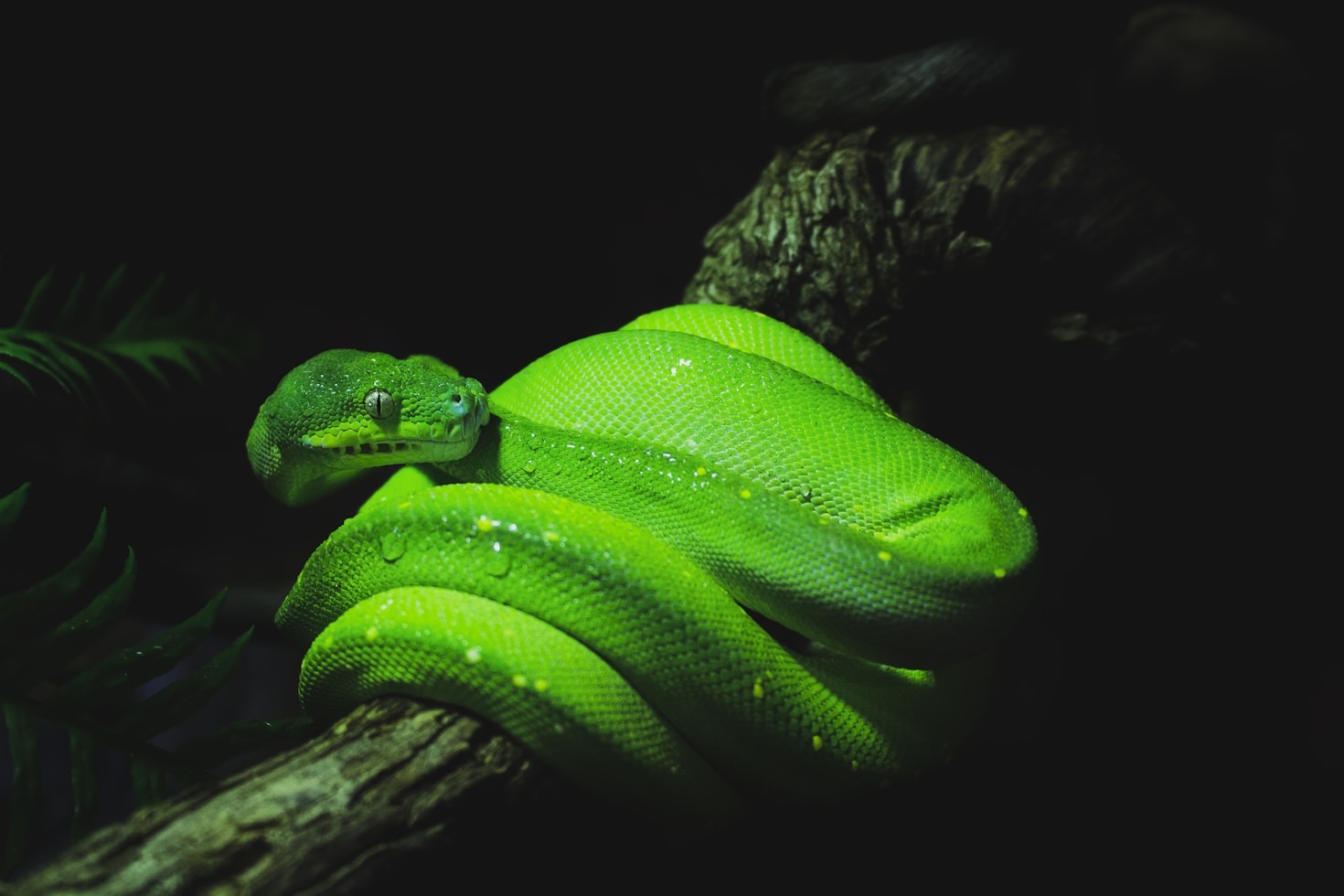
Your Backyard Can Be a Five-Star Resort for Frogs and Snakes When you think of wildlife conservation, you might picture sprawling national parks or remote rainforests. But the fight to protect our planet’s biodiversity can start much closer to home—right in your own backyard. Amphibians and reptiles, a group often overlooked and misunderstood, are facing…
-
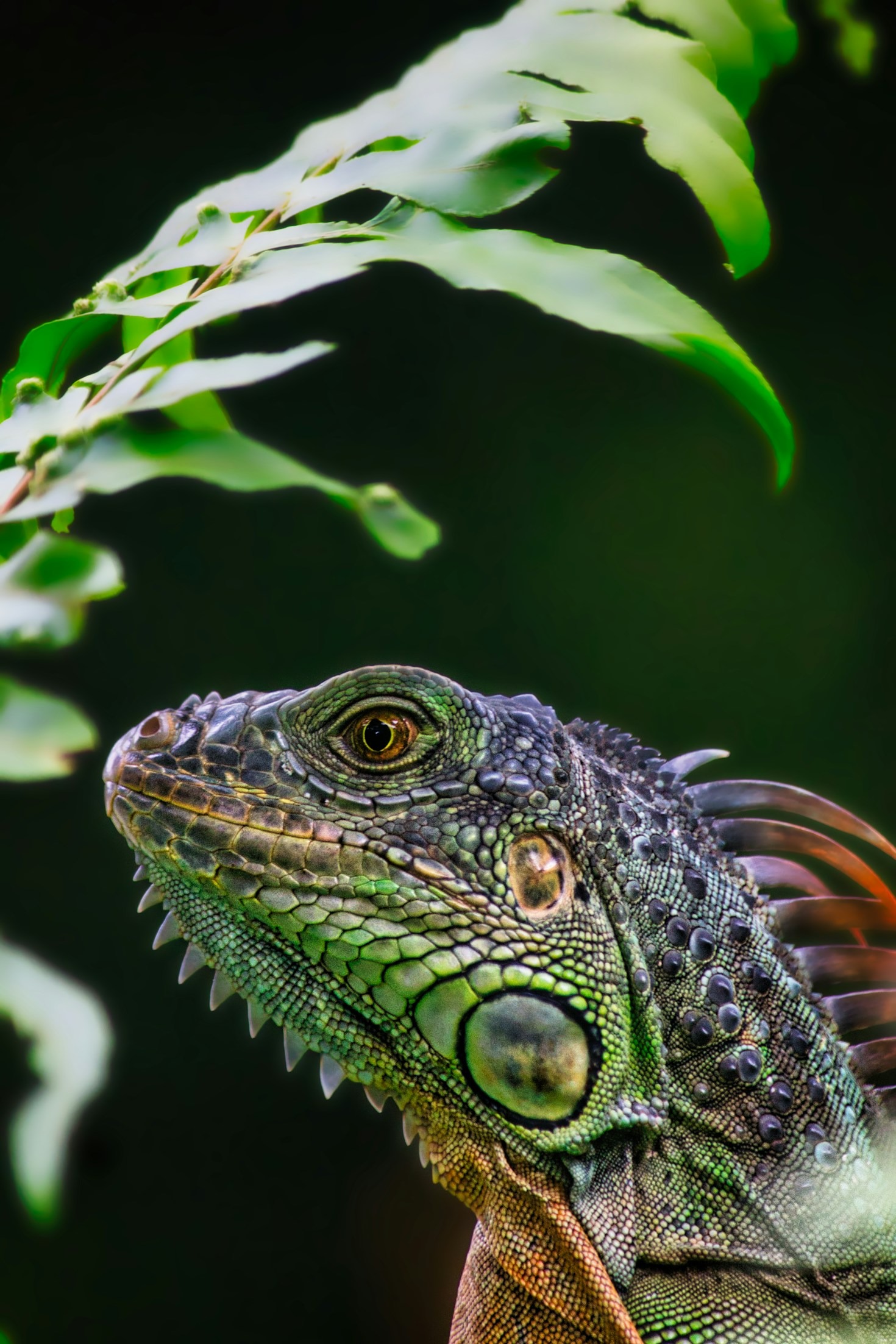
This paragraph serves as an introduction to your blog post. Begin by discussing the primary theme or topic that you plan to cover, ensuring it captures the reader’s interest from the very first sentence. Share a brief overview that highlights why this topic is important and how it can provide value. Use this space to…